Field notes · golf kit
Golf Kit by Category and Material: Shoes, Bags, Clothing
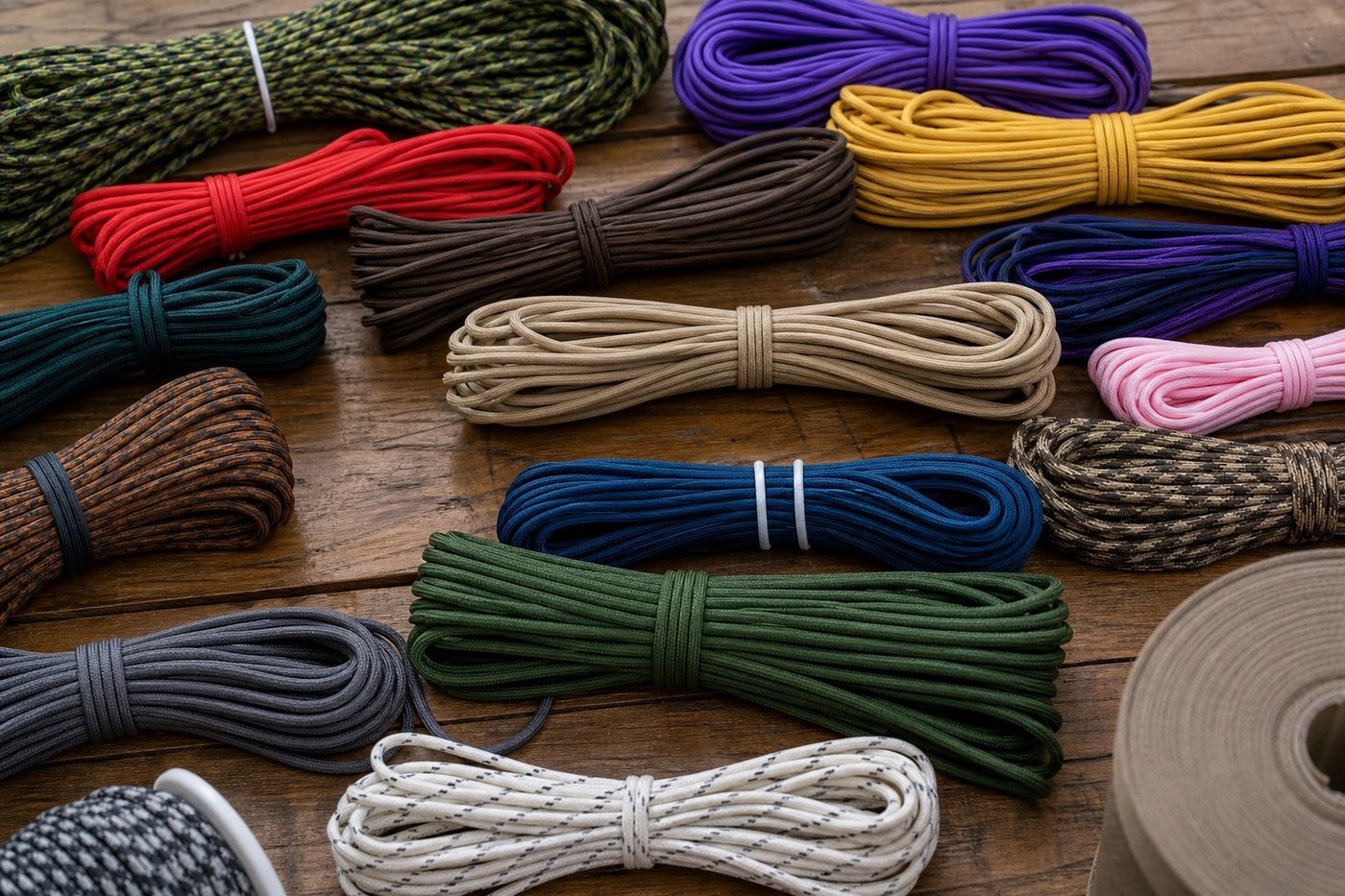
Golf kit is easiest to read in three layers: what touches the ground and the club, what carries and protects the clubs, and what sits between you and the weather on the card. Footwear decides how the swing loads and how the walk feels, bags decide how clubs survive transport, and clothing decides whether a wet or windy round stays playable. Material choice, not brand, drives most of those outcomes.
How does golf footwear change the swing and the walk?
A golf shoe does two jobs that pull in different directions. It has to hold the lead foot well enough that the downswing can push against the ground, and it has to stay comfortable for four hours and several kilometres of walking. The outsole is where the compromise is made.
Metal spikes and soft spikes bite into turf and give the most resistance to lateral slide, which matters on damp fairways and on sidehill lies. Spikeless outsoles with moulded rubber lugs trade some of that bite for comfort on cart paths, in the clubhouse and on the drive home. On firm summer ground the difference in traction is small; on wet bentgrass it is not.
The upper changes the walk more than the swing. Mesh uppers are light and dry quickly but hold less shape. Leather and synthetic leather uppers hold shape and take waterproofing treatments well, at the cost of weight and slower drying. A waterproof membrane decides whether morning dew soaks through in the first three holes.
Grip is the other half of the contact story. A worn grip forces a tighter hold, and a tighter hold stiffens the forearms. Glove leather, cord and synthetic wraps each feel different in the rain: leather gives the best dry feel, cord handles moisture better, and synthetic holds up longest. Replace grips when the surface glazes, not on a calendar date.
Anyone comparing how these parts are grouped by category and by material can find a working example at golf equipment by material, where shoes, bags and clothing are sorted the same way this article sorts them.
What protects clubs in a stand, cart or travel bag?
Protection is a question of what the bag is expected to survive. A stand bag is built for carrying: light fabric, a stand mechanism, and enough dividers to stop irons from tangling. It protects clubs from rain and from knocking together on the walk, and very little else.
A cart bag is built for a trolley or a buggy. It is heavier, sits upright without a stand, and usually has more pockets and a full-length divider system. The clubs are still exposed at the top, so headcovers do the work on woods and putters.
A travel bag is the only one designed for the hold of an aircraft or the back of a van. Look for a padded top, a rigid or semi-rigid spine, and a rain hood that actually closes. Remove adjustable woods and put them in the middle if the bag allows it, and use the travel cover's internal straps so the clubs do not shift.
Small items matter more than they look. Knitted headcovers cushion irons and woods against each other in a cart bag. A towel and a brush keep grooves clear, which is a performance issue, not a cosmetic one. Strap leather and webbing decide how a carry bag feels on the last three holes.
How do you dress for a round in rain, wind and cold?
The card tells you what to pack. A forecast of 12 C with 30 km/h wind and intermittent rain is a three-layer day, not a two-layer day.
Start with a base layer that moves moisture. Cotton holds sweat against the skin and then holds cold; merino or a synthetic knit does not. Over that, a mid layer of fleece or thin knit adds warmth without bulk, which matters because a bulky mid layer restricts the turn.
Outerwear is where waterproofing and wind resistance are decided. A rain jacket needs taped seams and a hood that stays put in wind; a windshirt without waterproofing is for dry, breezy days only. Waterproof trousers are worth carrying even when the forecast is marginal, because wet legs cool fast.
Hands and head lose heat quickly. Rain gloves grip better when wet than leather does, and a hat or beanie is the cheapest warmth on the course. For competition days, club and university players usually carry a spare pair of socks and a spare glove in a dry pocket, because changing them at the turn changes the back nine.
Which materials belong in which part of the bag?
Materials sort the bag into three zones. Around the club: grip compound, glove leather, and shaft finish. Around the bag: coated nylon or polyester for the body, leather or webbing for straps, knit for headcovers. Around the body: mesh and membrane for shells, merino or synthetic for base layers, and knit for mid layers.
A simple rule is that anything touching the ground or the club should be chosen for grip and durability, anything carrying the clubs should be chosen for padding and water resistance, and anything touching the skin should be chosen for moisture movement. That rule survives most marketing claims.
What changes for a club championship or a major weekend?
Competition rounds add constraints that casual rounds do not. Club championships and major weekends usually mean an early start, a full field, and no chance to go back to the car. That pushes the kit toward redundancy: two gloves, two towels, spare socks, and a waterproof layer that stays in the bag rather than in the boot.
Dress codes tighten at the same time. Many clubs expect a collared shirt and no denim, and some expect long trousers regardless of temperature. Checking the club's notice before the day avoids a conversation at the first tee.
Ryder Cup and major coverage is useful for one thing: watching how players layer in bad weather. The pattern is consistent, a thin base, a knit mid layer, and a shell that goes on and off between shots rather than staying on for the whole round.
How should the bag be packed the night before?
Pack by the order you will need things. Waterproofs on top, gloves and towel in an outside pocket, balls and tees where a hand reaches without looking. Put the travel cover away if you are not flying, and check that headcovers are on the woods.
Check the shoes the night before, not in the car park. Mud in the lugs reduces traction, and wet shoes at the first tee are a cold start. A brush and a dry cloth take two minutes.
Finally, weigh the bag. A stand bag loaded with waterproofs, water and a full set sits near the limit of what most players want to carry for eighteen holes. If the walk is long, a trolley or a lighter bag changes the round more than any single club.
Golf kit and tennis kit overlap more than the two sports suggest: both need shoes that grip a moving surface, a bag that carries fluid and layers, and clothing that sheds weather without restricting a swing or a serve. Readers who want the same breakdown applied to racket sports can find it in this companion piece on court and club kit, which covers courts and ranking around Nimes and the Gard. The categories transfer directly, so the shoe and bag notes above stay useful when the surface changes from fairway to clay.
Sources
Source consulted for this page: https://www.randa.org/.