Field notes · river fishing
McCloud and Upper Sacramento: Hatches, Pocket Water, Flows
The McCloud and Upper Sacramento drain the south and west flanks of Mount Shasta, and both fish well from spring through fall if you match the hatch window, fish the broken water rather than the flat, and check flow, clarity and regulations before you drive up. May through July carries the heaviest insect activity, pocket water behind boulders holds fish all season, and access from Dunsmuir or the McCloud River corridor decides how much water you can actually cover in two or three days.
Which insects hatch through the season on the McCloud?
Hatches on the McCloud run in a fairly predictable sequence, though the exact dates shift with snowpack and water temperature. A useful working calendar:
- March and April: small dark stoneflies (Capnia, Skwala on the lower river) and the first Blue-Winged Olives on cloudy afternoons. Nymphing dominates; dries are opportunistic.
- May: the big stonefly emergence begins on the lower McCloud. Golden Stone and Salmonfly nymphs migrate to the bank, and fish key on the migration before the adults show. This is the month to fish a large stonefly nymph tight to structure.
- June: the peak of the stonefly hatch and the start of the mayfly sequence. Pale Morning Duns, Green Drakes on the upper river, and the first caddis appear. Evening caddis activity can be strong.
- July: PMDs and caddis in the morning and evening, with Yellow Sallies through the middle of the day. Terrestrials (ants, beetles) start to matter on bright afternoons.
- August: terrestrials and small caddis. The fish are pressured and the water is low; longer leaders and lighter tippets help.
- September and October: October Caddis on the lower river, Blue-Winged Olives on overcast days, and the return of the big stonefly nymphs. This is often the most comfortable window for a visiting angler.
A basic McCloud box covers this range with about a dozen patterns: a stonefly nymph in sizes 8 to 12, a PMD emerger, a caddis pupa, an October Caddis, a small BWO, a Yellow Sally, and a couple of terrestrial patterns. The Upper Sacramento follows a similar calendar but with less stonefly pressure and more emphasis on caddis and mayflies.
For a month-by-month breakdown tied to the McCloud and Upper Sacramento specifically, McCloud fly fishing hatch charts lay out the emergence windows and the fly selections that match them, which is more useful than a generic Western hatch table when you are packing for a specific week.
How do you fish pocket water in a boulder river?
Pocket water is the broken, white-capped water behind and beside boulders, and on the McCloud it is where most of the fish live. The current is fast, the holding lies are small, and the fish have a very short window to inspect a fly. Three things matter more than pattern choice.
Get close. Pocket water is not a long-line game. Work upstream, stay low, and fish within 15 to 25 feet. The white water hides your approach, but only if you stay behind the fish.
Fish short and controlled. A 7.5 to 9 foot leader with a single nymph or a dry-dropper rig is easier to control than a long, multi-fly setup. High-stick the rod and keep the line off the water where you can. The goal is a drag-free drift of two to four feet, not a long swing.
Read the seams, not the foam. The fish sit in the soft water at the edge of the white water, not in the churn itself. Look for the dark seam where fast water meets slow, the cushion in front of a boulder, and the pocket behind it. Fish the front cushion first, then the pocket, then the seam on the far side.
A dry-dropper works well here: a buoyant attractor dry with a small nymph 12 to 18 inches below it. In low, clear summer water, switch to a single small nymph and a lighter tippet. In high spring flows, add weight and fish the deeper pockets along the bank.
How do flows, clarity and regulations decide a McCloud trip?
The McCloud is a dam-controlled river, and the release from McCloud Reservoir sets the day. The Upper Sacramento is more free-flowing and responds to snowmelt and rain. Before any trip, check three things.
Flow. The McCloud fishes best when the release is stable. A sudden increase muddies the water and pushes fish to the bank; a sudden drop leaves them exposed. Look for a steady gauge reading over several days rather than a single number. The Upper Sacramento can spike after rain and drop quickly, so a same-day check is worth the time.
Clarity. The McCloud is known for its clarity, but spring snowmelt and reservoir releases can color it. Two to three feet of visibility is workable; under a foot, wait or move to the Upper Sacramento above the confluence.
Regulations. The McCloud is managed in sections, and the rules change between them. Some reaches are artificial-only, some are catch-and-release, and some allow bait. The Upper Sacramento has its own set of special-regulations water. Read the current California Department of Fish and Wildlife regulations for the specific reach you plan to fish, and carry a copy. The rules are not uniform, and a ticket is an expensive way to learn that.
Access is the fourth variable. From Dunsmuir, the Upper Sacramento is a short drive with plenty of pullouts. The McCloud requires more planning: forest roads, a longer drive, and limited parking at some access points. A two or three day trip usually means camping near the McCloud or basing in Dunsmuir and driving in early.
What does a two or three day McCloud itinerary look like?
A practical shape for a short trip:
- Day one: Arrive, check the gauge and clarity, and fish the Upper Sacramento near Dunsmuir in the afternoon. This is a low-commitment way to shake out the rig and get a read on the water.
- Day two: Drive to the McCloud early. Fish pocket water through the middle of the day, then look for an evening caddis or stonefly return. Camp or return to Dunsmuir.
- Day three: Fish a different reach of the McCloud, or drop back to the Upper Sacramento if the McCloud is off-color. Leave by mid-afternoon.
Camping options exist along the McCloud corridor and around Dunsmuir. The season runs roughly from late spring through fall, with the highest water in May and June and the lowest in August and September. July and October are often the most comfortable months for a visiting angler.
What gear matters most on these rivers?
A 9-foot 5-weight is the standard rod for both rivers. A 4-weight is pleasant on the Upper Sacramento in low water; a 6-weight helps with big stonefly nymphs and wind on the McCloud. Waders with felt or rubber soles and a wading staff are worth carrying in boulder water. A small selection of split shot, indicators, and tippet in 4X to 6X covers most situations.
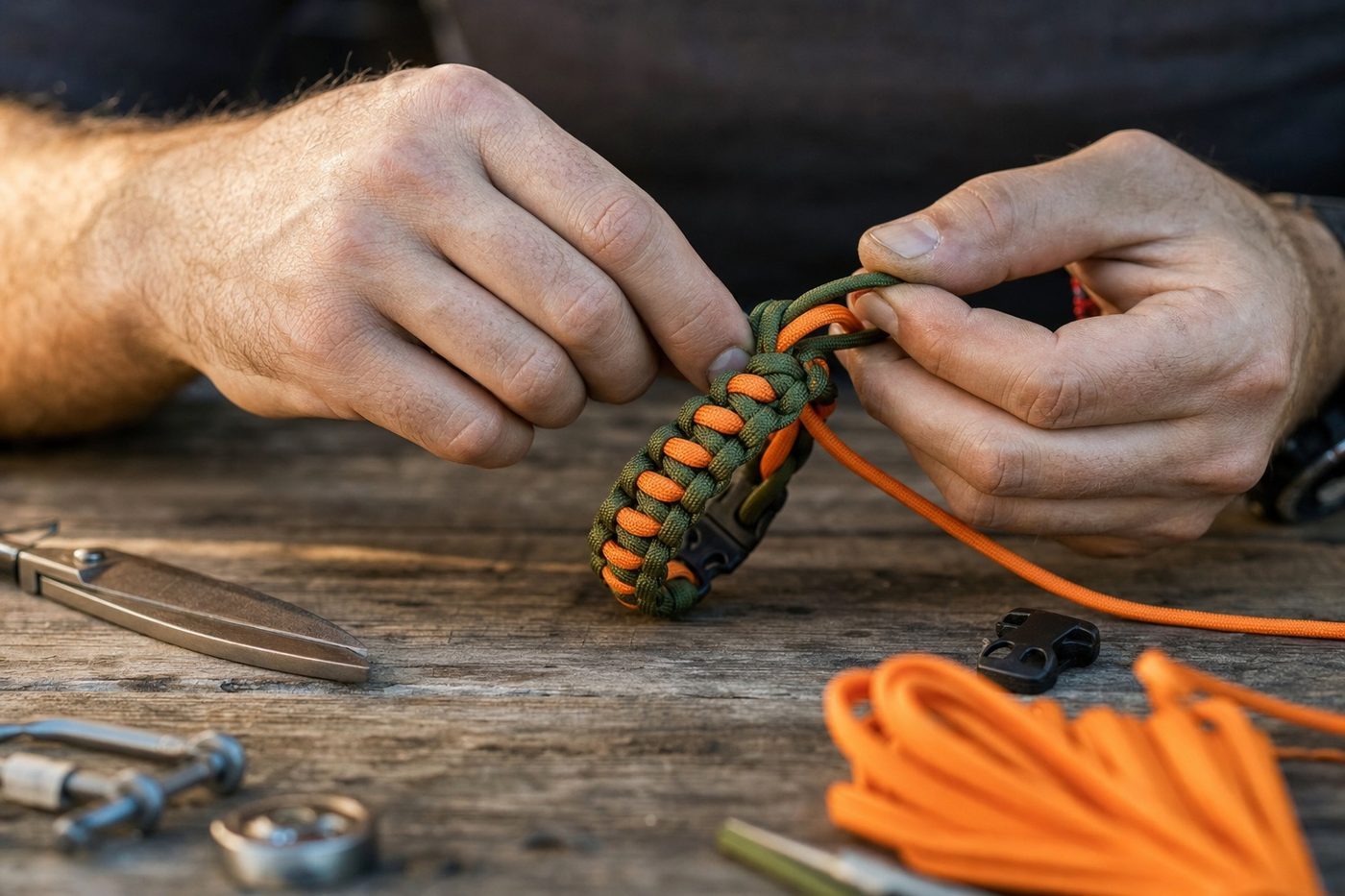
Paracord has a place in the kit as well: a short length for a wading staff lanyard, a gear loop, or a repair wrap on a boot or pack. It is not a fishing material, but it is a useful one in the truck and on the bank.
The short version
The McCloud and Upper Sacramento reward preparation more than improvisation. Know the hatch window for your month, fish the pocket water close and short, and check flow, clarity and regulations the day before you go. A two or three day trip based out of Dunsmuir gives you the flexibility to move between the two rivers when one is off-color or blown out, which is the single most useful thing you can build into the plan.
The hatches, pocket water and flow readings on the McCloud and Upper Sacramento reward close attention to where a fish holds and why. The same skill carries to other rivers: current seams, rig choices and local regulations all shape how a day on the water unfolds. A companion page on reading a trout river covers seams, rigs and Georgia rules, and it pairs well with the flow notes here. Anglers who fish both coasts will find the seam logic familiar, though the Georgia rule set differs enough to warrant a look before planning a trip.
Sources
Source consulted for this page: https://wildlife.ca.gov/Fishing/Inland.