Field notes · trout water
Reading a Trout River: Seams, Rigs and Georgia Rules
A trout river tells you where the fish are before you make a cast. Read the seam, the pool and the soft edge first, then tie a rig that puts the fly at the depth the water is actually flowing. On Georgia water, access and rules are set by a mix of state regulation, landowner permission and local custom, so the reading starts before you park.
How do you read a seam, a pool and a soft edge?
A seam is the line where two currents of different speed meet. Fast water next to slow water, or a tongue of current against a rock, marks a seam. Trout sit on the slow side of that line, facing into the faster water, because food arrives on the fast side and the slow side costs them less energy. Look for the visible break: a change in surface texture, a line of bubbles, a crease in the foam. That crease is the seam.
A pool is the deep, slow section, usually below a riffle or a drop. The head of the pool, where the riffle dumps in, holds fish that feed hard. The tail, where the pool shallows out into the next riffle, holds fish that are spooky and often larger. The middle of a pool is the least productive part unless there is structure, a rock, a log or an undercut bank, to break the flow.
A soft edge is the calm margin along the bank, behind a boulder or under overhanging brush. It is shallow, slow and easy to walk past. Trout use it when light is low, when the main current is too bright or too fast, and after a rise in water. Approach it from below or from the side, keep your shadow off the water, and cast a short line. The soft edge rewards a quiet foot more than a long cast.
Light and depth decide which of the three matters on a given day. Bright sun pushes fish into the deepest part of the pool and into shadowed soft edges. Overcast, drizzle and the last hour of evening bring them out to the seams and the pool head. Anglers who keep notes on this, water by water, build a usable map of a river over a season. Kent Klewein's fly fishing notes for southeastern rivers cover water reading, knots and rigging, and the access and conservation questions that come with Georgia water, which makes it a useful companion to the tackle box.
Which knots and rigs hold a fly at the right depth?
Depth is a function of weight, leader length and the angle of the line, not of the fly alone. Three setups cover most southeastern trout water.
A dry fly on a long, greased leader fishes the surface film. Use a 9 to 12 foot leader tapered to 5X or 6X, dress the front section so it floats, and mend upstream to keep the fly drag free. This is the rig for a soft edge at dusk and for the flat tail of a pool.
A nymph under an indicator fishes the middle and lower column. The distance from indicator to fly is your depth control: set it at roughly one and a half times the depth of the water you are fishing, then adjust after the first few drifts. Add split shot above the knot, not on the tippet, so the fly still moves naturally. Two nymphs, a heavier point fly and a smaller dropper, cover two depths at once.
A streamer on a short leader fishes the pool and the undercut bank. A 6 to 8 foot leader ending in 2X or 3X lets the fly swing and strip without twisting. Cast across and downstream, let it sink, then strip in short pulls. This is the rig for high, off color water and for the deep middle of a pool.
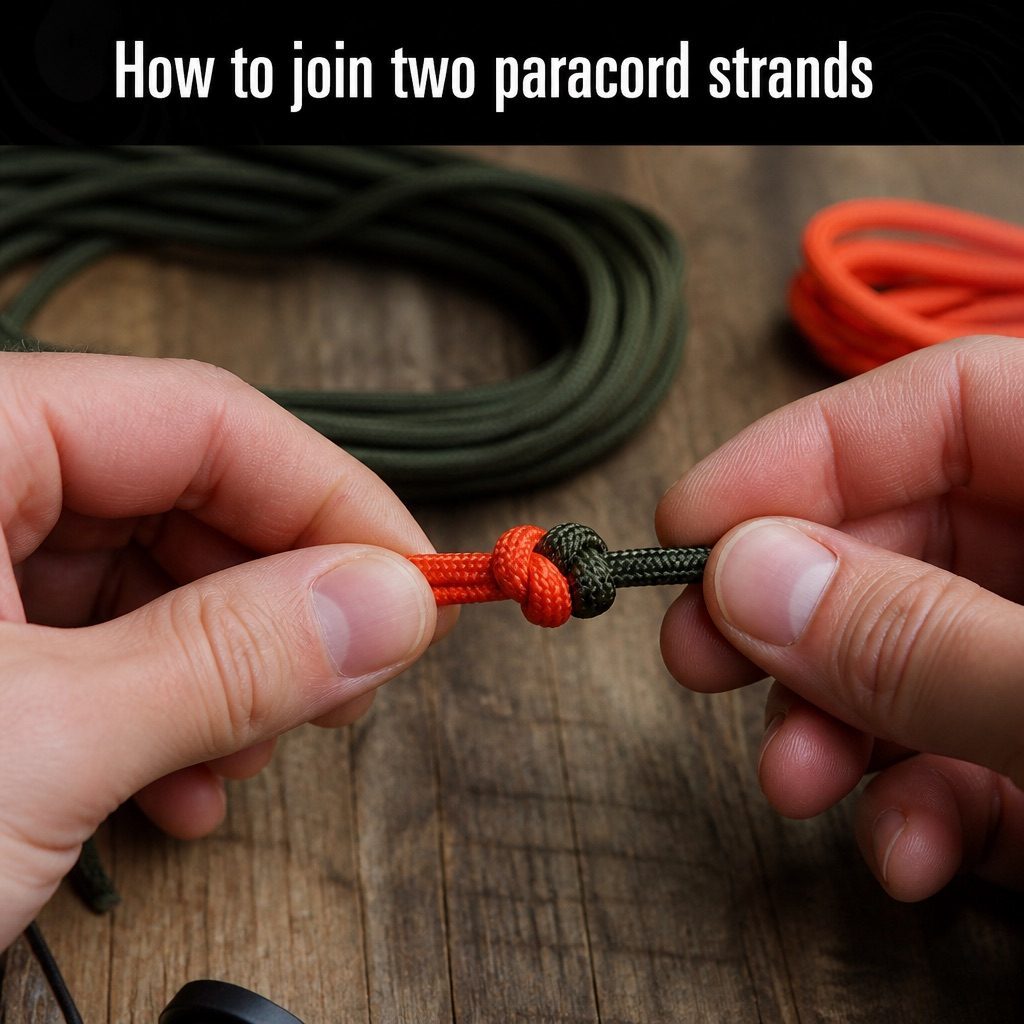
Knots matter because a rig that fails at the knot fails everywhere. The improved clinch or the Orvis knot joins tippet to fly and holds under tension. The double surgeon's knot joins two lengths of tippet quickly when you need to rebuild a leader on the water. The nail knot or a loop to loop connection joins the leader butt to the fly line. The non slip mono loop leaves the fly free to swing, which helps streamers and some nymphs. Tie each of these at home until your hands know them, because cold water and fading light are poor teachers.
What decides access and rules on a southeastern river?
Access in Georgia and the surrounding states comes from three sources, and they do not always agree.
Public water open to fishing is regulated by the state wildlife agency. In Georgia that is the Department of Natural Resources, Wildlife Resources Division, which sets seasons, creel limits, size limits and which sections are designated trout water. Some sections are catch and release only, some allow bait, some are artificial lures only. The regulations are published annually and they change, so the current rulebook, not last year's memory, is the authority.
Land along the river is usually private, even where the water is public. In Georgia, the bed of a navigable stream is held by the state, but the banks and the land under non navigable streams are often private. That means a landowner can control the bank, the access point and the crossing, even when the fish are legally yours to catch. Ask before you cross a field, leave gates as you find them, and park where parking is allowed.
Local custom and conservation groups fill the gaps. On the Toccoa, catch and release practice, barbless hooks and careful handling are pushed by anglers and by groups working on the tailwater. The same is true on many North Carolina and Tennessee streams. The rulebook sets the floor; the river community sets the habit.
How should you plan a day around light and flow?
Start with flow. A rising river pushes fish to the soft edges and the banks; a falling river pulls them back to the seams and the pool heads. Check the gauge before you leave, and again if you drive past a second access point.
Then plan around light. Fish the pool head and the seams early, while the water is still shaded. Move to the deep middle and the undercut banks as the sun climbs. Save the soft edges and the pool tails for the last hour, when the light comes off the water and the fish lose some of their caution.
Carry less than you think you need. A box of nymphs in two sizes, a few dries, two streamers, tippet in 4X to 6X, split shot, an indicator and a nipper cover a full day on most southeastern trout water. A wading staff and studded boots matter more than a fourth fly box on a slick, mossy riverbed.
What does a simple day on the water look like?
Arrive before the light is full. Walk the bank and look at the seams, the pool and the soft edges before you rig. Decide the depth you need, tie the rig for that depth, and fish the near water first. Keep your shadow off the water and your feet quiet. Move after three or four drifts without a response, not after twenty. When you leave, check the regulations for the section you fished, note what the water was doing, and write it down. The river repeats its patterns, and the angler who reads it twice has an advantage over the one who reads it once.
Trout water and hunting ground overlap more than most anglers admit: the same access roads, the same landowner permissions, the same seasonal closures. A reader who has just worked through seams and Georgia rig limits may want the other half of that picture, the part about reading current, water levels and legal dates before committing to a trip. Paracord Central covers it in a companion page on planning a season legally, which sits alongside its knot and field craft material. Read both before the next opening day.
Sources
Source consulted for this page: https://georgiawildlife.com/fishing.